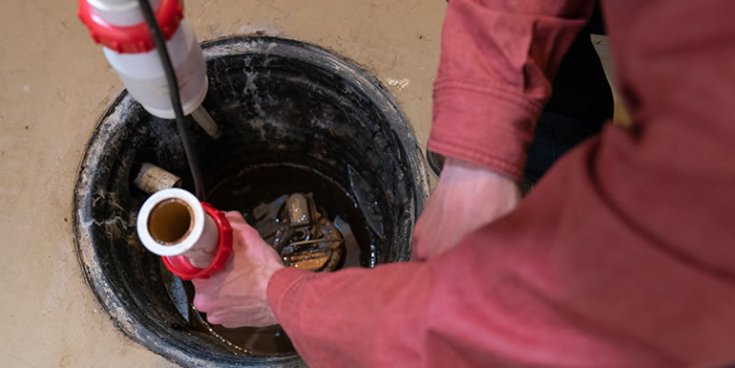
If your home has a basement or crawl space, you already know how important a sump pump can be. It protects your home against flooding, foundation damage, and mold growth. But what happens when your main pump fails during a storm or power outage? That’s where a backup system comes in.
Understanding the difference between a primary and a backup sump pump and knowing whether you need both can save you from costly water damage and endless headaches. In this article, Mr. Rooter Plumbing of Wichita looks into primary vs. backup sump pumps and whether you need both of them. If you’re looking for a trusted plumbing repair service to help you install or repair your sump pump, we are here to help.
What Is a Primary Sump Pump?
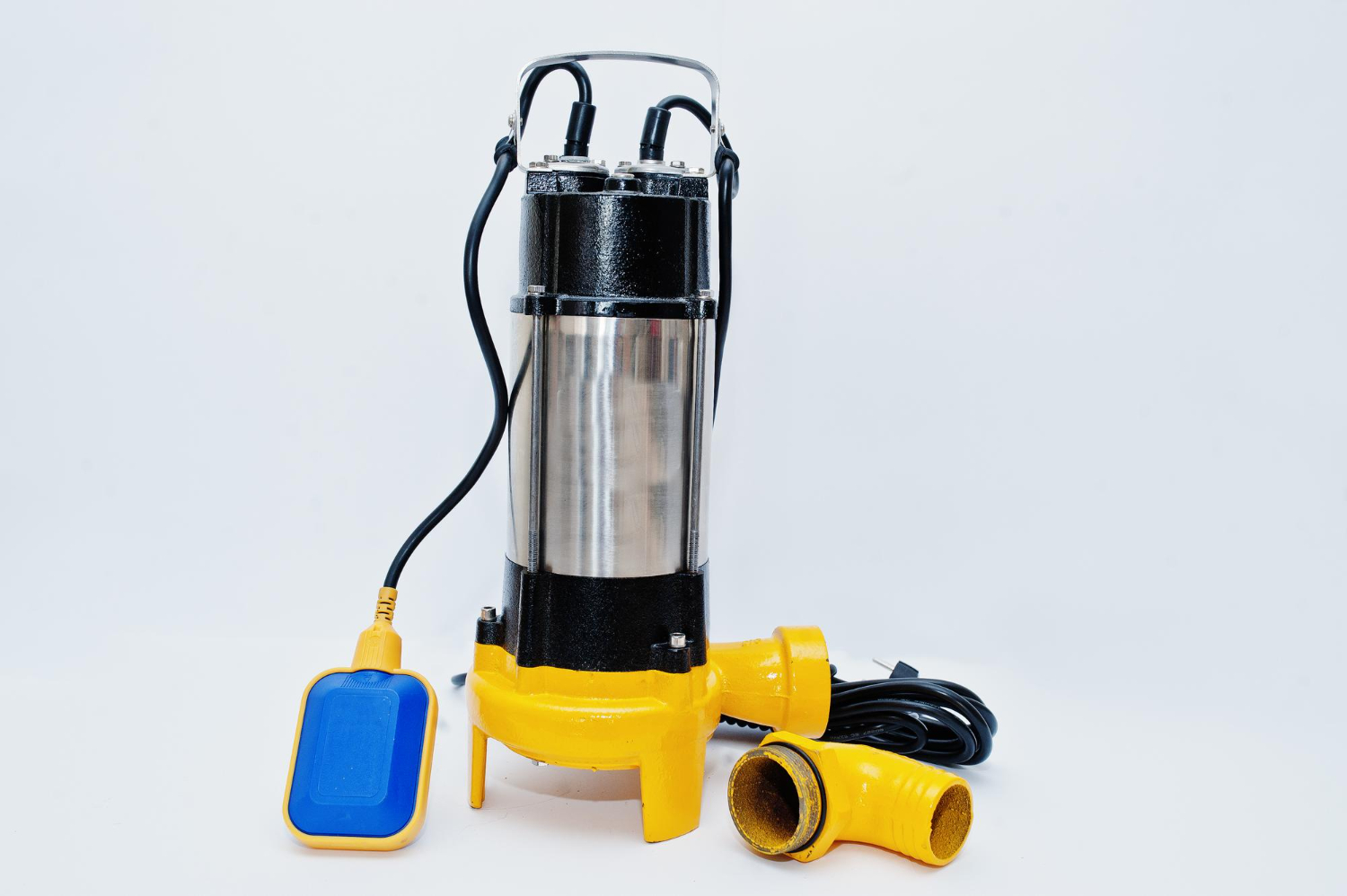
A primary sump pump removes water that collects around your foundation and directs it safely away from your property. When heavy rainfall, snowmelt, or groundwater seeps in, the pump activates automatically, preventing flooding and maintaining a dry basement.
While a good primary sump pump can last several years with proper maintenance, it’s still an electrical device, and that means it’s vulnerable to mechanical failure and power loss.
What Is a Backup Sump Pump?
A backup sump pump is exactly what it sounds like: an additional pump that kicks in when your primary one stops working. There are two main types of backup systems: battery-powered and water-powered.
Battery-powered backups run on a rechargeable battery and automatically turn on if your main pump fails or if the power goes out. They can typically pump thousands of gallons of water before the battery drains.
Water-powered backups use your home’s water pressure to remove excess water. They don’t require electricity, making them extremely reliable during extended outages, but they do slightly increase your water usage while running.
A backup sump pump doesn’t replace your primary one. It’s there to ensure your home stays protected even when the unexpected happens.
Why You Should Consider Having Both
Many homeowners assume one sump pump is enough, but relying solely on a primary system can be risky. Power outages, tripped breakers, or a malfunctioning float switch can leave your basement unprotected at the worst possible time. Since sump pumps are most active during heavy storms when power failures are also most common, it’s easy to see why a backup is worth the investment.
Having both systems working together provides layered protection. Your primary pump handles everyday water removal, while your backup automatically steps in if the main pump stops. This redundancy ensures your home stays dry even if one system fails, preventing costly damage to your foundation, flooring, and stored belongings.
Signs You Might Need a Backup Sump Pump
If your area experiences frequent storms or power outages, or if your basement has ever flooded, having a qualified plumber in Wichita, KS install a backup sump pump is a good move. It’s also a good idea if your current pump is older, cycles on frequently, or struggles to keep up during heavy rain. Even newer homes can benefit from a backup system, as sump pump failures rarely come with warning.
Call Mr. Rooter Plumbing of Wichita for Reliable Sump Pump Installation
Are you having trouble deciding between a primary and a backup sump pump? That’s what we are here for—turn to Mr. Rooter Plumbing of Wichita to help you choose the right sump pump for your needs. Trust our licensed, experienced, and insured plumbers to install your new sump pump correctly, so it delivers reliable protection when you need it most. Contact Mr. Rooter Plumbing of Wichita to request an estimate for sump pump installation today.