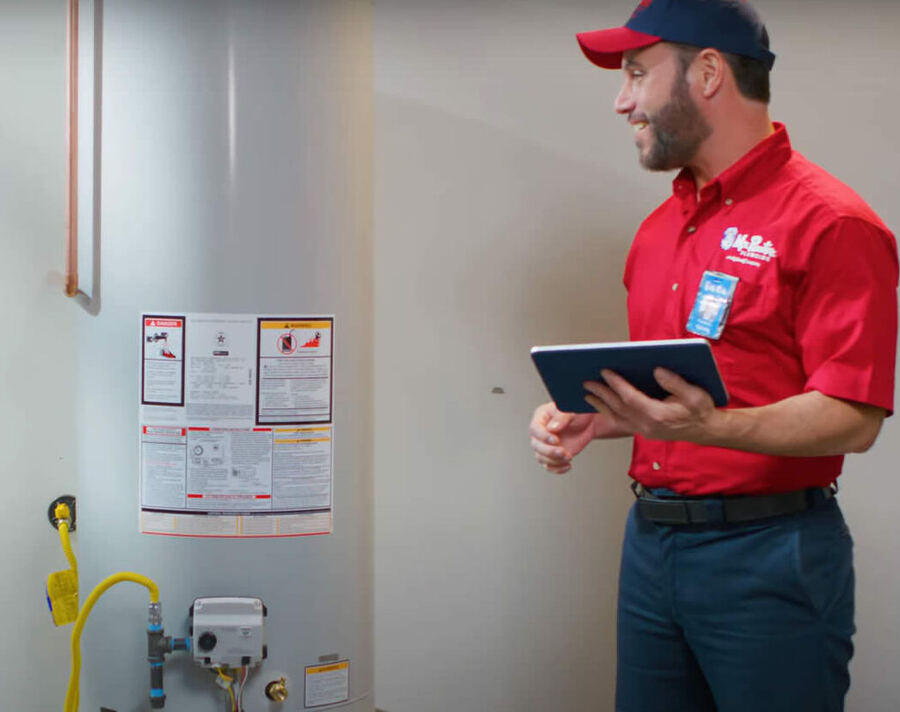
There are two common types of water heaters based on fuel types: gas and electric water heaters. Both types have their strengths and some trade-offs. Gas-powered water heaters heat water much faster and are cheaper to run than their electric counterparts. On the other hand, electric water heaters are easy to install but can be costly to install.
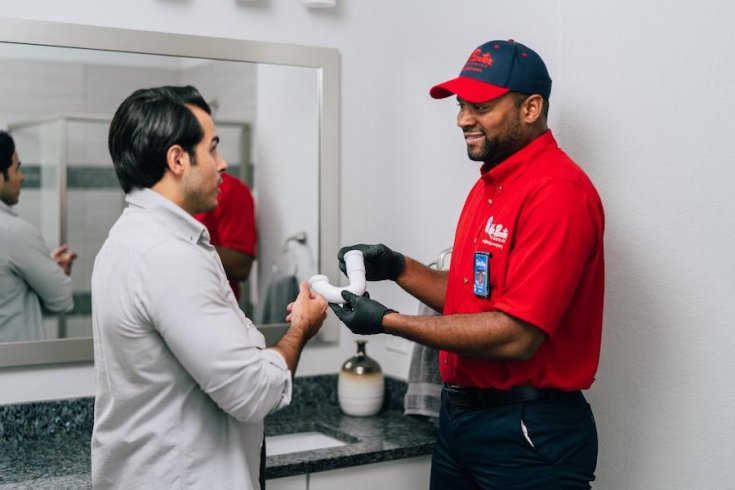
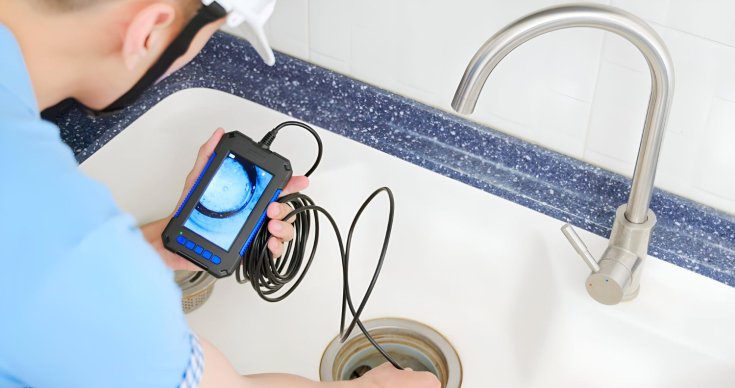
Whether you have an electric water heater or a gas-powered unit, you’ll experience several issues over time. Some of the common water heater problems include not enough hot water, leaks, sediment buildup, strange noises, and many more. It’s best to call a local plumber in Wichita, KS whenever you notice a problem with your water heater.
In this blog post, we’ll talk about the common electric vs. gas water heater problems that every homeowner should know. This guide will help you take the right actions when your water heater develops a problem. Here at Mr. Rooter Plumbing of Wichita, we pride ourselves on offering professional water heater repair services.
Common Electric Water Heater Problems
Electric water heaters rely on heating elements and thermostats to warm water. One of the most common issues homeowners face is a lack of hot water. This issue is commonly caused by a failed heating element or a malfunctioning thermostat. Sediment buildup inside the tank can also reduce your water heater’s performance and shorten the unit’s lifespan. Older water heaters are more likely to develop these problems, so it’s a good idea to know when to replace your aging unit.
Another frequent problem is tripped circuit breakers or blown fuses. Because electric water heaters draw significant power, electrical issues can disrupt operation. Faulty wiring or loose connections may also cause inconsistent water temperatures or complete shutdowns. While electric units are safer due to the absence of gas combustion, electrical failures should always be addressed by a qualified plumbing repair service.
Common Gas Water Heater Problems
Gas water heaters use a burner and pilot light to heat water, which introduces a different set of challenges. A common complaint is the pilot light going out due to a faulty thermocouple, draft issues, or gas supply interruptions. If the burner fails to ignite properly, homeowners may experience lukewarm water or no hot water at all.
Gas units are also susceptible to ventilation problems. Poor venting can cause exhaust gases to back up and create safety hazards. In addition, gas valves can wear out over time and lead to ignition problems or inconsistent performance. Do not hesitate to call a nearby plumber when you notice signs of declining performance.
Shared Issues Between Both Types
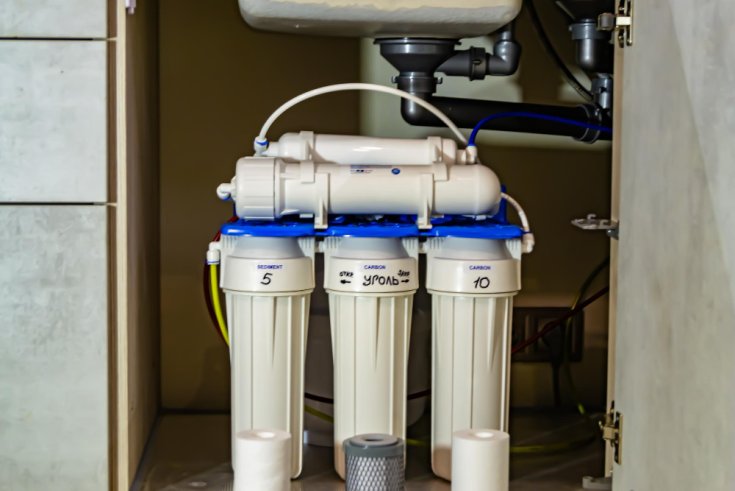
Both electric and gas water heaters can experience leaks, corrosion, and sediment buildup. Mineral deposits settle at the bottom of the tank, thereby causing rumbling noises, reduced efficiency, and tank damage. This problem is more rampant in homes without a water filtration and softening system. Pressure relief valve failure is another common issue that can lead to leaks or unsafe pressure levels. Contact a local plumbing repair service whenever you spot any of these issues.
Do You Need Water Heater Repair? Contact Mr. Rooter Plumbing of Wichita Today
If your water heater is acting up, contact the team at Mr. Rooter Plumbing of Wichita for professional help. For over 50 years, we’ve built a solid reputation for delivering dependable water heater services. Our knowledgeable and experienced plumbers know the workings of all types of water heaters. True to our core values, we prioritize customer satisfaction by offering quality workmanship. We work hard to earn our customers’ trust in all the areas we serve. If you’d like to schedule water heater repair service with Mr. Rooter Plumbing of Wichita, contact us now!